**Maximize Stump Removal Safety with Expert Advice**
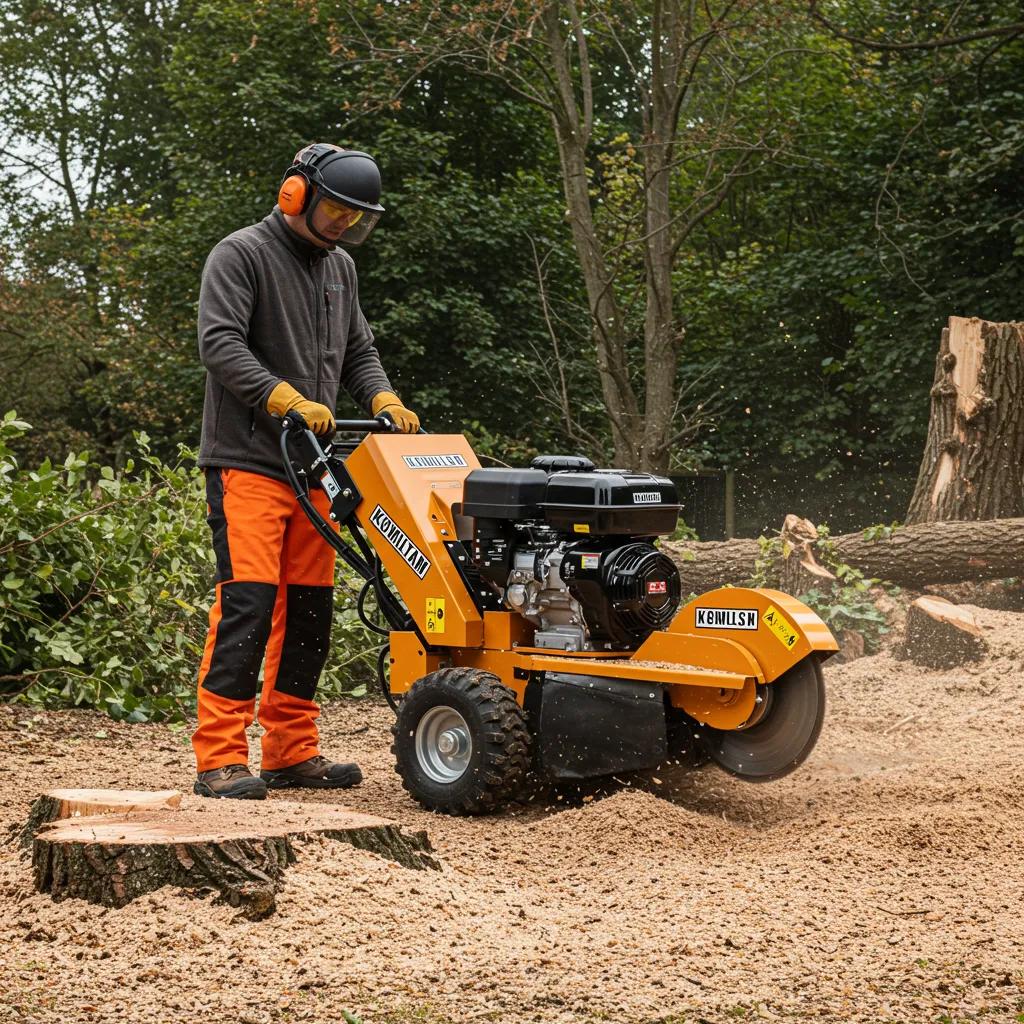
Stump Grinder Safety Tips: Essential Guidelines for Safe and Effective Stump Removal
Stump grinding removes the root mass of a tree using a rotating cutting wheel that pulverizes wood into chips, and understanding stump grinding safety prevents injuries, property damage, and environmental harm. This guide explains the mechanisms of stump grinder hazards, the role of personal protective equipment, site preparation steps, safe operating techniques, and emergency procedures so readers can manage risk when removing stumps. Professionals such as those offering a professional stump grinding service use trained operators, professional-grade equipment, and safety-first procedures—licensed and insured teams reduce liability and exposure for homeowners and businesses. Many people face hidden risks from underground utilities, kickback, dust, and noise; this article offers practical mitigation strategies, checklists, and maintenance guidance to lower those risks. You will find clear sections on common hazards, essential PPE, step-by-step site preparation, operator best practices, when to hire a pro, maintenance checklists, and emergency response measures. Throughout the piece, we use targeted terms like stump grinding safety, stump grinder safety, and underground utility detection stump removal to support actionable, localized safety decisions.
What Are the Common Hazards in Stump Grinding and Removal?
Common hazards in stump grinding include physical projections from the cutting wheel, kickback, striking underground utilities, and exposure to dust and noise, and recognizing these hazards enables focused mitigation. The cutting wheel propels wood chips and fragments at high speed, which can cause penetrating eye injuries and lacerations; kickback occurs when the wheel catches wood irregularities and forces the machine backward or sideways, endangering the operator. Understanding the presence of underground utilities—electricity, gas, or telecoms—is critical because contact can cause electrocution, explosions, or service loss. The next paragraphs explain the mechanics of flying debris and kickback, how utilities increase danger, and why dust and noise require control measures to protect health.
What Risks Do Flying Debris and Kickback Pose During Stump Grinding?
Flying debris and kickback arise from the cutting wheel striking knots, roots, or buried objects; this projects fragments and causes sudden machine motion that can throw an operator off-balance. Eye and facial injuries are common when adequate guards, face shields, and eye protection are absent, and kickback can lead to crushing or blunt force trauma when the operator is in the path of movement. Using guards, correct approach angles, and controlling feed rates reduces thrown fragments and minimizes the chance of abrupt machine reactions. These control measures lead directly into the need to detect and avoid underground utilities before work begins.
- Typical incidents involve fragments penetrating safety glasses or contacting bystanders.
- Kickback often results from feeding the wheel too aggressively into hard root sections.
- Proper guards and stable operator stance significantly reduce both risks.
Understanding these mechanisms makes the next hazard—underground utilities—easier to manage.
How Can Underground Utilities Increase Stump Grinding Dangers?
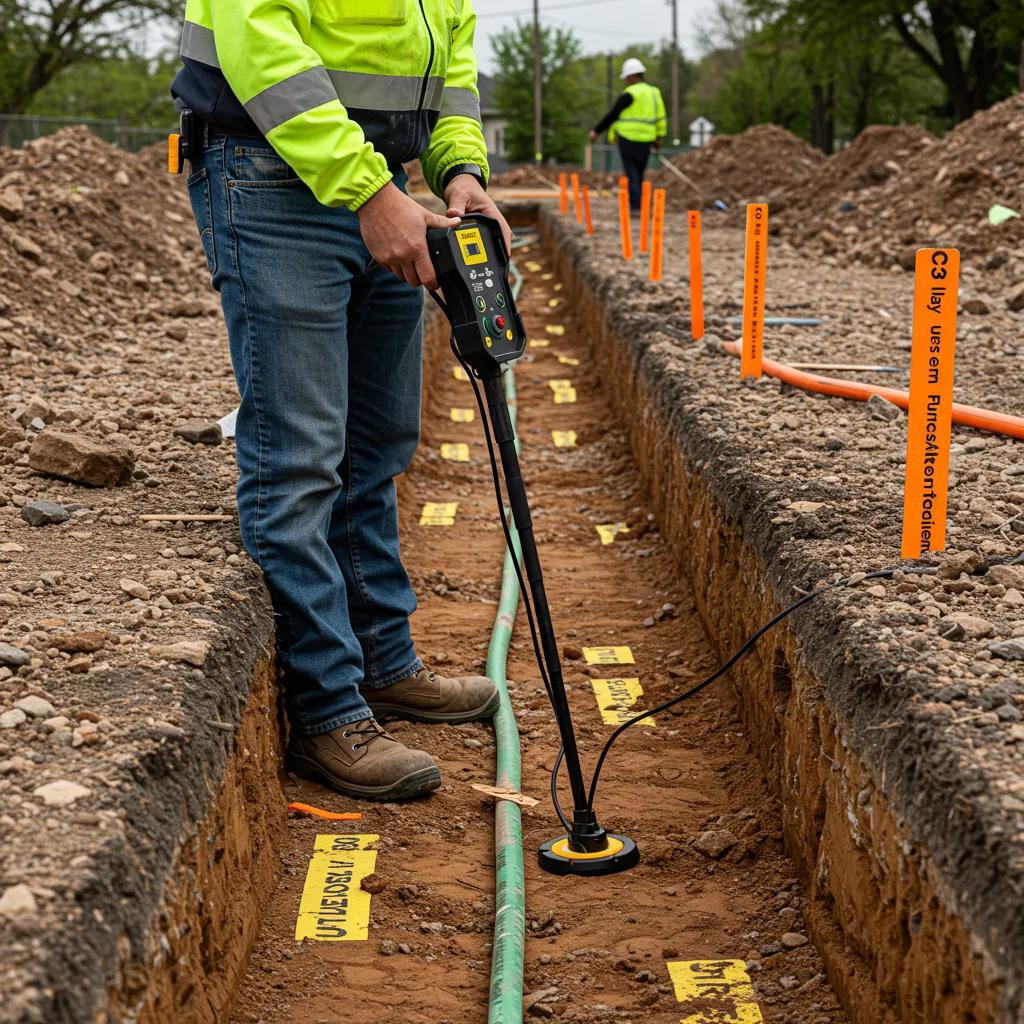
Underground utilities such as electric cables, gas mains, water pipes, and telecom lines present catastrophic hazards when struck by grinding equipment, generating fire, explosion, or electrocution risks. Detection methods include contacting local call-before-you-dig services, using professional electronic locators, and probing carefully with hand tools where locates are uncertain; always verify marks with the utility owner where possible. Marked utilities must be respected with exclusion zones and a change to non-mechanical removal methods if necessary to avoid direct contact. Respecting utilities and using verification procedures reduces the chance of contact and informs whether a professional stump grinding service is the safer option.
Why Is Noise and Dust Exposure a Safety Concern?
Noise from stump grinders often exceeds levels safe for unaided hearing and prolonged exposure increases the risk of permanent hearing loss, while grinding creates fine wood dust that can irritate eyes, sinuses, and lungs and may carry mold or chemical residues. Implement hearing protection with appropriate attenuation ratings, use respirators or dust masks suitable for wood dust, and control dust by wetting the stump or using extraction where feasible. These controls protect operators and bystanders and complement PPE choices discussed next, reinforcing the need for correct eye and hearing protection.
Top Stump Grinder Safety Tips for Safe and Efficient Removal
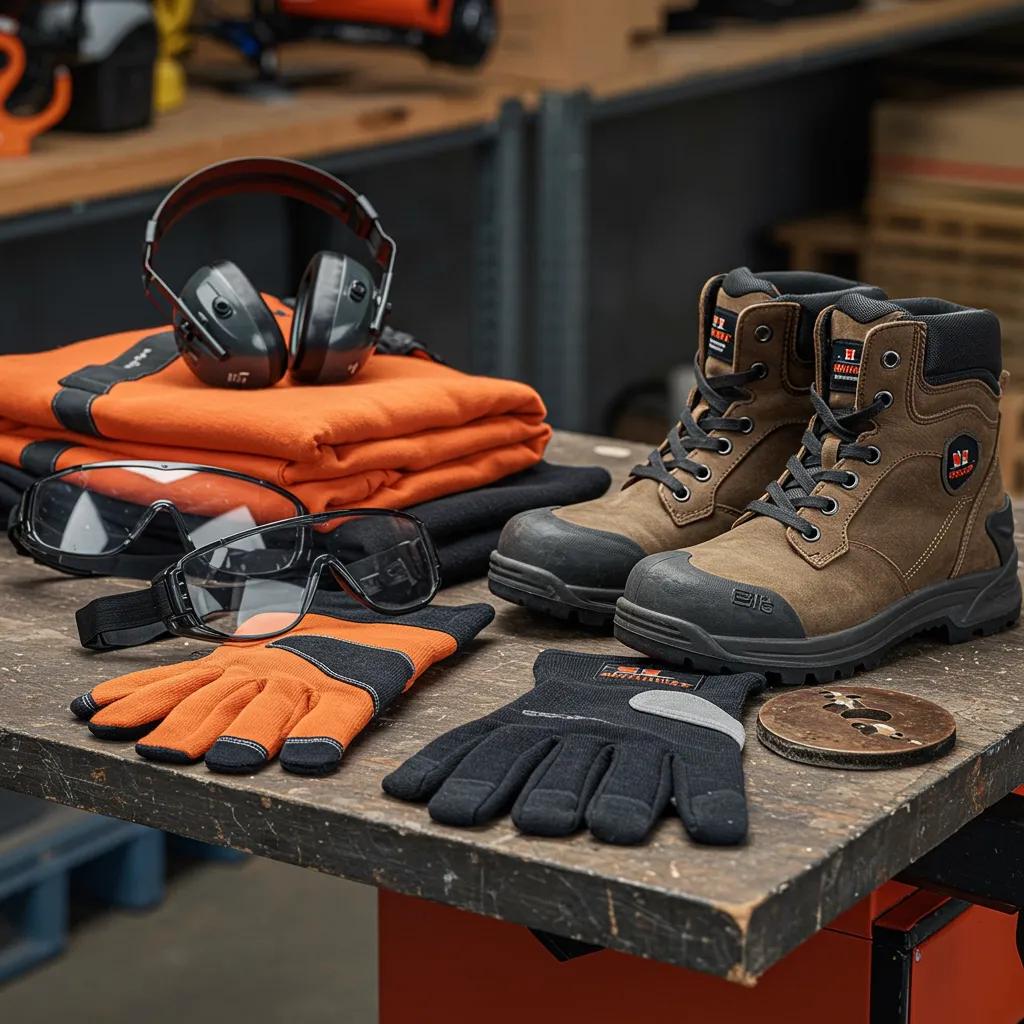
Essential PPE reduces the severity of incidents from flying debris, noise, vibration, and impacts and must be selected to meet recognized standards for forestry and arboriculture tasks. Typical PPE combinations for stump grinding include eye and face protection, hearing protection, cut-resistant and vibration-damping gloves, steel-toe footwear with ankle support, and high-visibility clothing to protect the operator and make them visible to others on site. Proper selection, fit, and maintenance of PPE help ensure performance—inspect and replace damaged items and keep respirators clean. The following subsections specify eye/hearing options, glove and footwear guidance, and the role of high-visibility clothing.
Which Eye and Hearing Protection Should You Use?
Eye protection should combine safety goggles and a full face shield when operating a stump grinder; goggles meeting recognized impact standards protect against high-speed fragments while a face shield guards the entire face from larger flying debris. For hearing protection, choose ear defenders or earplugs with a suitable attenuation rating (NRR/SNR values) to reduce exposure below daily occupational limits, and ensure a good seal or fit for earplugs and correct cup fit for earmuffs. Regularly inspect and replace padding or seals and train operators to check fit before work starts. Proper eye and hearing protection directly influence hand and foot protection choices described next.
Intro to PPE comparison table: the following table maps PPE items to why they are needed and recommended specifications to help select appropriate gear.
| PPE Item | Protective Role / Why Needed | Recommended Specification / Example |
|---|---|---|
| Eye protection | Shields against chips and fragments | Safety goggles + face shield; impact-rated to EN166 or equivalent |
| Hearing protection | Prevents permanent hearing damage | Earmuffs or earplugs with NRR/SNR 25+ (use combination if required) |
| Respiratory protection | Reduces inhalation of wood dust and mold | P2/P3 or N95 respirator for wood dust; fit-tested where required |
This table clarifies PPE selection and supports next guidance on gloves and footwear.
What Gloves and Footwear Are Recommended for Stump Grinding?
Gloves should balance cut resistance, grip, and vibration damping—materials such as cut-resistant fiber blends with reinforced palms work well while allowing dexterity for controls and tool handling. Footwear must protect against crushing and provide ankle support and slip resistance; steel-toe boots with sturdy soles and good lateral stability are recommended for operating or working near stump grinders. Inspect gloves for tears and footwear for sole wear before every shift, and replace items showing compromised protection. Proper hand and foot protection improves operator control and reduces the likelihood of slips that could lead to accidental contact with the machine, leading into the role of visibility controls.
Intro to hi-vis section: after equipping eyes, ears, hands, and feet, make operators visible to others and vehicles on multi-user sites.
How Does High-Visibility Clothing Enhance Safety on Site?
High-visibility clothing increases operator conspicuity on shared sites and near roads, lowering collision risk and helping supervisors spot workers quickly during complex tasks. Choose garments that meet recognized class standards for outdoor work, with bright fluorescent colors and reflective strips appropriate for daylight and low-light conditions. Layer hi-vis clothing correctly to avoid snag hazards and maintain reflective surfaces free from dirt and damage for optimal performance. Ensuring high visibility complements PPE for eyes, ears, hands, and feet and supports safe site preparation steps covered next.
How Do You Prepare a Site Safely Before Stump Grinding?
Site preparation reduces unexpected hazards by verifying subsurface services, clearing obstacles, establishing exclusion zones, and assessing terrain stability to support equipment and operator safety. A structured prepare-check-act routine begins with call-before-you-dig checks and on-site verification, followed by clearing loose debris and creating safety perimeters, and finishes with a terrain assessment to plan equipment positioning. The following subsections explain utility locating and marking, obstacle clearance, and how to assess ground conditions to maintain machine stability and operator control.
How to Identify and Mark Underground Utilities Before Grinding?
Identifying underground utilities involves contacting the local call-before-you-dig service, obtaining utility locate marks, and using electronic locators or hand-probing to verify markings before mechanical work proceeds. Mark utilities with agreed color codes and physical markers, maintain a safe exclusion distance from any uncertain marks, and consult utility owners for clarification if needed; do not assume absence of services. Document and communicate utility locations to all on-site personnel to prevent accidental excavation or grinding over services. Clear utility marking sets the stage for obstacle clearance and safety zone establishment.
Intro to obstacle clearance: with utilities identified, clear visible hazards and set exclusion zones to protect people and property.
What Steps Are Needed to Clear Obstacles and Establish Safety Zones?
A practical clearance checklist improves safety and includes removing loose debris, tripping hazards, and landscaping material within a defined radius, setting up barriers, signage, and exclusion distances to keep bystanders away, and assigning a lookout when vehicles or pedestrians are nearby. Use numbered steps:
- Remove loose rocks, garden furniture, and debris from the work area.
- Establish an exclusion zone with barriers and signs at a minimum recommended distance.
- Designate a trained spotter to manage pedestrian flow and vehicle access during operations.
This numbered approach protects passersby and reduces the chance of projectiles striking non-participants, and it leads directly into assessing terrain and access for equipment stability.
Intro to terrain assessment: once the area is clear, evaluate slopes, soft ground, and access to determine stabilization needs.
Why Is Terrain and Work Area Assessment Important for Safety?
Terrain assessment identifies slopes, soft ground, and obstacles that can compromise grinder stability, increase roll-over risk, or create uneven cutting conditions that promote kickback; recognizing these factors lets teams apply stabilization methods proactively. Mitigations include using ground mats, repositioning equipment for a flatter approach, or employing outriggers and heavier machinery where necessary to ensure a stable platform. Always plan egress routes for emergency withdrawal and consider alternative removal techniques if terrain prevents stable operation. Assessing terrain completes site preparation and transitions into safe operation techniques.
Intro to operation best practices: with the site prepared, focus on operator competence, controls, and grinding technique.
What Are the Best Practices for Safe Stump Grinder Operation?
Safe operation combines familiarity with controls, disciplined grinding technique, appropriate feed rates, and strict rules about leaving machines unattended to avoid incidents. Operators should perform pre-start checks, follow manufacturer procedures, work in a controlled pattern to reduce kickback, and maintain clear communication with spotters; professionals often follow documented risk assessments and use professional-grade equipment to reduce hazard exposure. The following subsections describe controls familiarization, grinding techniques, and rules for safe distances and unattended equipment.
How Should You Familiarize Yourself with Stump Grinder Controls?
Familiarization begins by reading the operator manual, identifying key controls such as throttle, feed, cutting-wheel engagement, and emergency stop, and practicing under supervision until operation is confident and repeatable. Training should cover normal operation, controlled shutdowns, emergency procedures, and response to common faults; supervised practice reduces human error in live work. Verify control responsiveness and emergency stop function during pre-start checks and ensure each operator can reach and use controls from their normal working position. Knowing controls intimately reduces reaction time during kickback events and prepares the operator for safe grinding techniques.
Intro to grinding techniques: after mastering controls, adopt grinding motions that balance efficiency and safety.
What Grinding Techniques Minimize Risk and Ensure Efficiency?
Effective grinding uses controlled, sweeping passes over the stump surface in shallow increments to avoid aggressive feeds that provoke kickback; work from the outside toward the center or follow machine-specific recommended patterns to maintain balance. Use gradual feed rates, return the wheel to a safe position between passes, and avoid cutting into buried non-wood objects; keep bystanders outside the exclusion zone and maintain clear communication. Common mistakes include forcing the wheel too fast, neglecting side-to-side stability checks, and attempting to grind too deep in a single pass. Applying these techniques reduces sudden machine reactions and sets up correct shutdown behavior for unattended periods.
Intro to unattended equipment rules: implement clear policies on distances and securing machinery when not in use.
Why Must You Maintain Safe Distances and Never Leave Equipment Unattended?
Maintaining exclusion distances prevents bystander injury from flying debris and avoids unauthorized tampering, while never leaving a grinder running and unattended eliminates accidental engagement or unauthorized movement. Recommended exclusion distances depend on machine size and site, but a conservative buffer of several meters with physical barriers and signage is a prudent baseline for residential settings. When pausing work, always lower the cutting head, shut down the engine, engage the parking brake, and secure the machine against unintended movement. These safeguards complement the decision framework for hiring professionals when complexity or risk increases.
When Should You Hire a Professional for Stump Grinding Safety?
Hiring professionals is advisable when site complexity, utilities, proximity to structures, or large stumps increase risk beyond homeowner capacity; professionals provide training, risk assessments, and tools that materially reduce hazard. A professional stump grinding service brings trained operators, professional-grade equipment, and safety systems that lower accident likelihood and manage liability; licensed and insured providers offer additional protection for property owners against incident-related costs. Complex scenarios such as stumps adjacent to buildings, under driveways, or near unknown utilities typically merit professional intervention rather than DIY attempts. The next sections explain the safety benefits, licensing and equipment advantages, and list complex situations that require experts.
What Are the Safety Benefits of Professional Stump Grinding Services?
Professional teams use documented risk-assessment processes, trained operators, and established PPE protocols to reduce the chance of operator error and bystander exposure during stump removal. Examples include methodical utility verification, traffic and pedestrian management on busy sites, and using spotters and communication protocols to coordinate safe operations; these practices lower incident rates compared with ad-hoc DIY approaches. Professionals also implement controlled disposal of wood chips and site reinstatement to reduce environmental and slip hazards. These safety benefits explain why homeowners often opt for professional services for higher-risk jobs.
Intro to licensing and insurance: beyond operational practices, licensing and insurance provide additional protections.
How Does Licensing, Insurance, and Professional Equipment Improve Safety?
Licensing and insurance provide layers of responsibility and financial protection: licensing demonstrates compliance with local regulations and insurance protects owners from cost exposure if incidents occur during work. Professional-grade machines offer improved stability, superior guarding, and integrated safety features such as remote shut-offs and effective dust suppression options that reduce operational hazards. Together, licensing, insurance, and specialist equipment create a risk-managed service delivery model that supports safer outcomes for complex stump removal. When these protections are desirable, consider engaging a licensed and insured provider rather than attempting a DIY grind.
Intro to complex scenarios needing pros: identify specific site conditions that exceed DIY safety tolerances.
What Complex Situations Require Professional Intervention?
Complex situations that require professional intervention include stumps near foundations, paved surfaces, or buried utilities, stumps with extensive root systems under structures, steep slopes or soft ground that compromise stability, and large-diameter stumps requiring heavy machines. Professionals can deploy alternative equipment, stabilization mats, or excavation-based removal if grinding is inappropriate, and they can coordinate with utility owners for safe working arrangements. If a site involves multi-party access, roadways, or sensitive landscaping, a risk-managed professional approach is safer and typically more efficient. Recognizing these scenarios helps homeowners decide when to book specialist services such as a professional stump grinding service.
Business integration note: For local homeowners in Volusia, Seminole, Flagler, and Orange County, Florida, Tree Service Near Me LLC (operating as Volusia Bobcat and Tree Service) promotes a professional stump grinding service that uses professional-grade equipment and highlights safety and satisfaction first. Their ‘Free Stump Grind with Any Removal’ offer and the fact they are licensed and insured provide practical reasons to choose a professional solution for complex or high-risk stumps.
How Can Regular Maintenance and Inspection Improve Stump Grinder Safety?
Regular maintenance and inspection reduce mechanical failures that can cause kickback, loss of control, or sudden shutdowns and ensure guards, blades, and controls operate as intended. A routine pre-use inspection checks blades, guards, fuel systems, control responsiveness, and hydraulic lines to detect wear and prevent failures in service. Proper blade sharpening and balancing reduce vibration, lower feed resistance, and cut more cleanly, decreasing the likelihood of unpredictable machine behavior. The subsections below provide specific component checks, blade care guidance, and indicators for servicing or repair.
Intro to inspection checklist table: the following table organizes components, inspection checks, and pass/fail signs for quick pre-start use.
| Component | Inspection Check | Pass/Fail Signs / Frequency |
|---|---|---|
| Cutting wheel / blades | Check sharpness, chips, secure mounting | Pass: sharp edges, no cracks; Inspect daily |
| Guards and shields | Ensure integrity and secure fastenings | Pass: no deformation, all bolts present; Inspect weekly |
| Hydraulics and controls | Look for leaks, smooth response | Pass: no leaks, responsive controls; Inspect before each use |
This checklist helps operators catch faults early and supports the blade care guidance described next.
What Are the Key Components to Inspect Before Use?
Key pre-use checks include blade condition and mounting, guard integrity, fuel and oil levels, hydraulic hoses, and control responsiveness; these checks reduce unexpected failures during operation. Look for loose bolts, cracked teeth on cutters, fluid leaks, frayed control cables, and ensure emergency stop mechanisms are functional. Document checks and remove equipment from service if any red-flag signs are present to prevent operation under unsafe conditions. Regular inspections naturally lead to proper blade sharpening practice to maintain safety.
Regular inspections naturally lead to proper blade sharpening practice to maintain safety.
How Does Proper Blade Sharpening Reduce Operational Hazards?
Sharp blades cut more efficiently, reduce required feed force, and lower vibration levels that can otherwise cause operator fatigue and increase the risk of kickback. Dull or uneven blades create binding and require more aggressive feeds, raising the probability of machine movement and component stress; sharpen blades following manufacturer guidelines and rebalance wheel assemblies after sharpening. Observe safe procedures when removing and refitting blades: isolate power, use locking procedures, and wear cut-resistant gloves during handling. Proper blade care extends component life and maintains predictable machine behavior, which informs repair scheduling.
When Should Equipment Be Serviced or Repaired for Safety?
Service and repair should follow manufacturer intervals and be triggered immediately by indicators such as unusual vibration, loss of power, smoke, fluid leaks, or non-responsive controls; these symptoms suggest degradation that elevates risk in operation. Establish routine service intervals based on hours of operation and environmental conditions, and maintain a log of repairs and parts replacement to track historic issues. If any functional doubt exists, ground the machine and seek competent repair before returning to service to avoid catastrophic failure. Timely servicing completes the maintenance cycle and supports emergency preparedness covered next.
What Emergency Procedures and Accident Prevention Measures Should Be in Place?
Emergency procedures include knowing how to use emergency shut-offs, applying lockout-tagout during maintenance, performing immediate first aid for typical injuries, and protecting bystanders until professional help arrives. Operators must be trained to locate and engage emergency stops quickly, test safety systems periodically, and secure the scene after an incident to prevent secondary injuries. The subsections that follow outline use of emergency systems, essential first-aid steps, and bystander protection strategies to ensure comprehensive preparedness.
How to Use Emergency Shut-Offs and Safety Features Effectively?
Emergency shut-offs are designed to stop the cutting wheel and engine immediately; operators should verify the location, practice activation in drills, and test the function during pre-start checks to ensure reliability. Periodic testing of interlocks, kill switches, and remote stops prevents false security from degraded components, and lockout procedures should be used during maintenance to prevent accidental start-up. Train all personnel in the steps to secure a machine after emergency shutdown, including isolating fuel sources and reporting defects. Regular practice of these steps reduces confusion during real incidents and prepares responders for providing first aid.
What First Aid Steps Are Critical After a Stump Grinding Accident?
Immediate first aid focuses on stopping severe bleeding, stabilizing suspected fractures, protecting and irrigating eye injuries, and calling emergency medical services for life-threatening conditions; apply direct pressure for bleeding and immobilize limbs with temporary splints. For eye injuries, avoid rubbing, flush with clean water, and seek urgent care; do not attempt to remove large embedded objects—stabilize and get professional medical attention. Train bystanders in basic trauma responses and maintain a stocked first-aid kit on site to reduce time to intervention. Prompt, correct first aid improves outcomes and reduces the chance of permanent harm.
How Can Bystander Safety Be Ensured During Stump Grinding?
Bystander safety relies on pre-established exclusion zones, clear signage, barriers, and active communication before and during operations to keep non-essential people at a safe distance from the machine and flying debris. Use a designated lookout or spotter to manage pedestrian movement, inform neighbors of work times, and ensure vehicles and children are kept away from the work area. In higher-risk scenarios, consider scheduling work during low-traffic periods and coordinate with adjacent property owners to prevent inadvertent entry. If you prefer a managed, insured service to handle these responsibilities, contact Tree Service Near Me LLC (operating as Volusia Bobcat and Tree Service) for their professional stump grinding service—remember their ‘Free Stump Grind with Any Removal’ offer and that they are licensed and insured, providing a safety-first option for complex or high-exposure jobs.